
OPTIMUM
OPTimizing Engagement In Discovery of Molecular EvolUtion of Low-Grade GlioMa
A National Institutes of Health-funded project aiming to investigate how low-grade gliomas (LGGs) change over time.
OPTIMUM is a new study within the Low Grade Glioma Registry. The focus of OPTIMUM is on persons with recurrent low grade glioma.
The aim in this study is to learn how time and treatment affect the genetic characteristics of a glioma.

Nestelynn Gay and Liz Salmi serve as patient community leaders on the OPTIMUM Research Advisory Council.
This information will allow clinicians to better select the 1) timing and 2) type of treatment for persons with low grade glioma.
OPTIMUM is conducted in partnership with persons with low grade glioma, care partners, and other stakeholders, as well as with patient advocacy organizations including the American Brain Tumor Association (ABTA), the National Brain Tumor Society (NBTS), and the International Brain Tumor Alliance (IBTA).
OPTIMUM investigators are from the Yale School of Public Health (YSPH), The University of Colorado School of Medicine (CU Anschutz), and Brigham & Women’s Hospital (BWH).
Funding for OPTIMUM is provided by the National Cancer Institute (NCI) as part of the Cancer Moonshot Initiative. As a result of this initiative, the NCI created the Patient Engagement and Cancer Genome Sequencing (PE-CGS) Network, of which OPTIMUM is a member.
Researchers, clinicians, patients and care partners working together.
OPTIMUM strives to learn:
-
Engagement Optimization Unit & Participant Engagement Unit
Our researchers include a team of patients and care partners who all know what it is like to live with a glioma. These individuals and others are part of the Low Grade Glioma Research Advisory Council and help in designing the OPTIMUM research process.
As partners, patients and researchers are testing ideas to improve registry recruitment strategies, such as how research findings will be returned to participants, and if sharing research findings with participants changes the way people feel about their involvement in research.
We are also examining the barriers people face to enrolling in research, reasons why some people might be skeptical of research processes, and personal motivations behind why people participate and find meaning in research.
-
Genetic information can lead to a better understanding of glioma risk as well as improved selection of treatment for people with glioma.
By studying genetic characteristics of glioma tumors we hope to determine whether we can better predict patients’ response to treatment. To do so, we will perform genetic sequencing on participants’ tumor samples from all of their surgeries.
Genes often contain small changes. Sometimes these changes do not cause any problems, but occasionally these changes can be more serious and interfere with the way a gene is supposed to work.
The Genomic Characterization Unit is studying inherited genetic changes to determine whether there is any relationship between these changes and glioma risk. To study these changes we perform genetic sequencing on blood samples in study participants.
What is the goal of OPTIMUM?
To better define treatments for low grade glioma the next step is to understand how these tumors evolve overall and by treatment received.
To study this topic, we’re partnering with 400 adults initially diagnosed with lower grade glioma who have had two or more surgeries for their tumor. We’re looking to see if genetic changes occur between the first and second surgery and what this might mean for treatment choices.
Participants in OPTIMUM will receive the research findings of these genetic characterizations performed on each tumor specimen and also learn about grouped findings from all participants.
Who is eligible for OPTIMUM?
You may be eligible to participate in OPTIMUM if you were initially diagnosed with a grade 2 or 3 glioma OR any grade of IDH-mutant (IDH+) glioma, and have had two or more surgeries separated by at least six months.
OPTIMUM places no restrictions on sex, gender, race, date of diagnosis, or current glioma status, however the study is currently limited to people who receive their care within the United States or Canada.
Germline testing opportunity
Registry/OPTIMUM participants are also eligible for clinical-level germline testing of 77 cancer genes via Ambry Genetics. Testing is free of charge. Participants who have a genetic change of clinical importance will receive one hour of telehealth genetic counseling and testing of blood relatives within 90 days of the participant test. Please contact us at glioma@yale.edu if interested.
OPTIMUM belongs to the broader Participant Engagement and Cancer Genomic Sequencing Network (PE-CGS). In this video, OPTIMUM team members Bethany Kwan, Liz Salmi, and Ricardo Gonzalez-Fisher share ways they hope to impact LGG research as part of OPTIMUM.
OPTIMUM Leadership

Elizabeth B. Claus, PhD, MD

Roel Verhaak, PhD

Bethany M. Kwan, PhD, MSPH
-
Principal Investigator, Low Grade Glioma Registry; Principal Investigator, OPTIMUM
Professor of Biostatistics, Director of Medical Research, Yale School of Public Health
Attending Neurosurgeon, Director of Stereotactic Radiosurgery, Brigham and Women’s Hospital
Elizabeth B. Claus, MD, PhD, is Professor and Director of Medical Research in the Yale University School of Public Health, as well as Attending Neurosurgeon and Director of Stereotactic Radiosurgery within the Department of Neurosurgery at Brigham and Women’s Hospital in Boston. Claus launched the International Low Grade Glioma (LGG) Registry in 2016 to discover why some people develop LGG, a slow growing but malignant brain tumor primarily affecting young adults, while others do not. Dr. Claus and a team of fellow scientists received funds from the National Cancer Institute to investigate the molecular evolution of LGG. The project, Optimizing Engagement in Discovery of Molecular Evolution of Low Grade Glioma” or OPTIMUM, will enroll 500 participants diagnosed with LGG and who have had two or more surgeries for their glioma and genotype these tumors to establish a comprehensive genomic characterization of the glioma tumors across time.
-
Principal Investigator, Genomic Characterization Unit (GCU)
Professor, Department of Neurosurgery, Yale School of Medicine
Roel Verhaak, PhD, and the Verhaak lab study glioma using genomic characterization and computational analyses, work that has helped redefine the way glioma in adult patients is classified. An important focus of their work is trying to understand how current treatments, such as chemo- and radiotherapy, impact the tumor, and how we can make these approaches more effective. Towards these goals, Roel Verhaak initiated and leads the Glioma Longitudinal Analysis (GLASS) Consortium, an international collaboration that brings together a diverse set of expertises centered on therapeutic impact. Roel Verhaak is a recipient of the AAAS Wachtel Award, the Agilent Early Career Professor Award, and the Peter Steck Memorial Award. He was previously a professor at the Jackson Laboratory, and at UT MD Anderson Cancer Center.
-
Principal Investigator
Associate Professor and Associate Vice Chair of Research, Department of Emergency Medicine; Investigator and Education Program Director, Adult & Child Consortium for Health Outcomes Research & Delivery Science (ACCORDS); Director of Dissemination & Implementation, Colorado Clinical & Translational Sciences Institute (CCTSI)
Dr. Bethany Kwan’s research concerns the application of behavior change and D&I (Dissemination & Implementation) theories and frameworks to the study of implementation and effectiveness of chronic disease management and prevention in health care settings, with an emphasis on stakeholder engaged research methods. She has led multiple projects involving engaging patients and practices in the design, implementation and evaluation of personalized health care interventions, including a PCORI funded patient-centered diabetes and distress self-management support intervention.
Key Staff
-

Liz Salmi
Beth Israel Deaconess Medical Center
-

Kevin C. Johnson, PhD
Yale University
-

Rose Du, MD, PhD
Brigham & Women’s Hospital
-
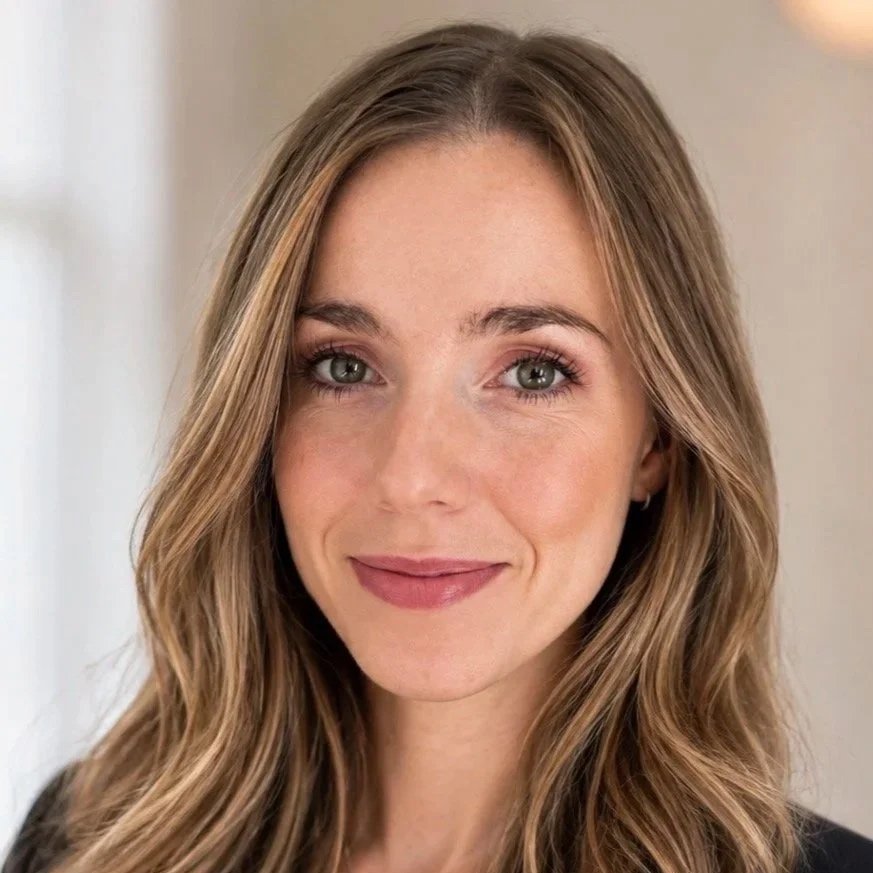
Annie Heffernan, MPH
Brigham and Women’s Hospital
-

Mathew Krick, MPH
Yale University
-
Lindsay Lennox
University of Colorado Anschutz
-
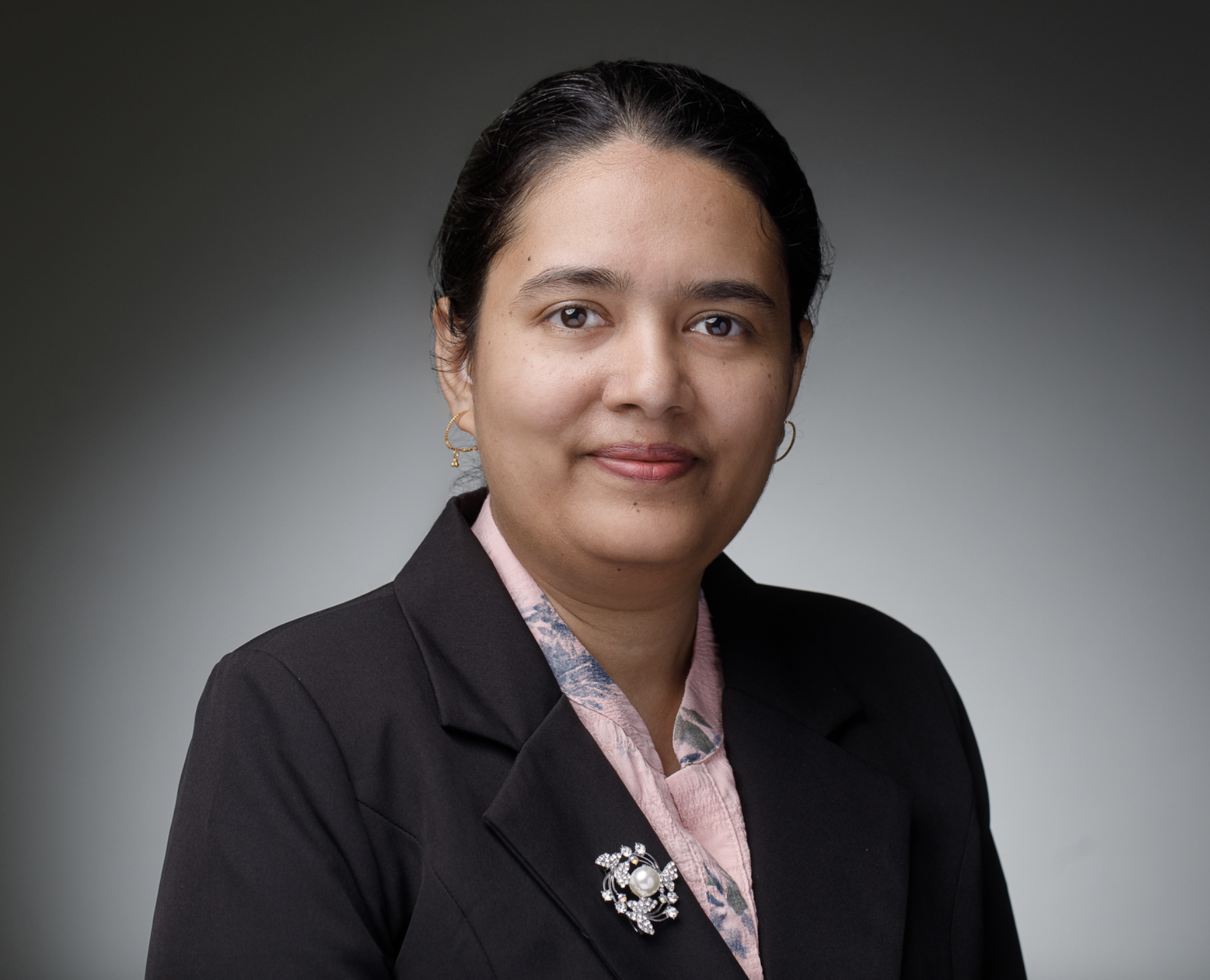
Tamrin Chowdhury, PhD
Yale University
-
Bailey Reutinger
Yale University
Registry Partners
International Brain Tumor Alliance (IBTA)
Stop Brain Tumors